

Speaking and Workshops
An audience that agrees with you has not learned anything.
I do not come to campuses to be agreed with. I come to put people in a position where they have to decide something, out loud, with other people watching, and then say why. That is a different activity than listening, and it produces a different result.
Twenty-five years in higher education, six of them as a college president, stand behind this work. So does a conviction that we keep asking students the wrong question. Not what will you produce but who are you becoming while you produce it.
How Every Session Works
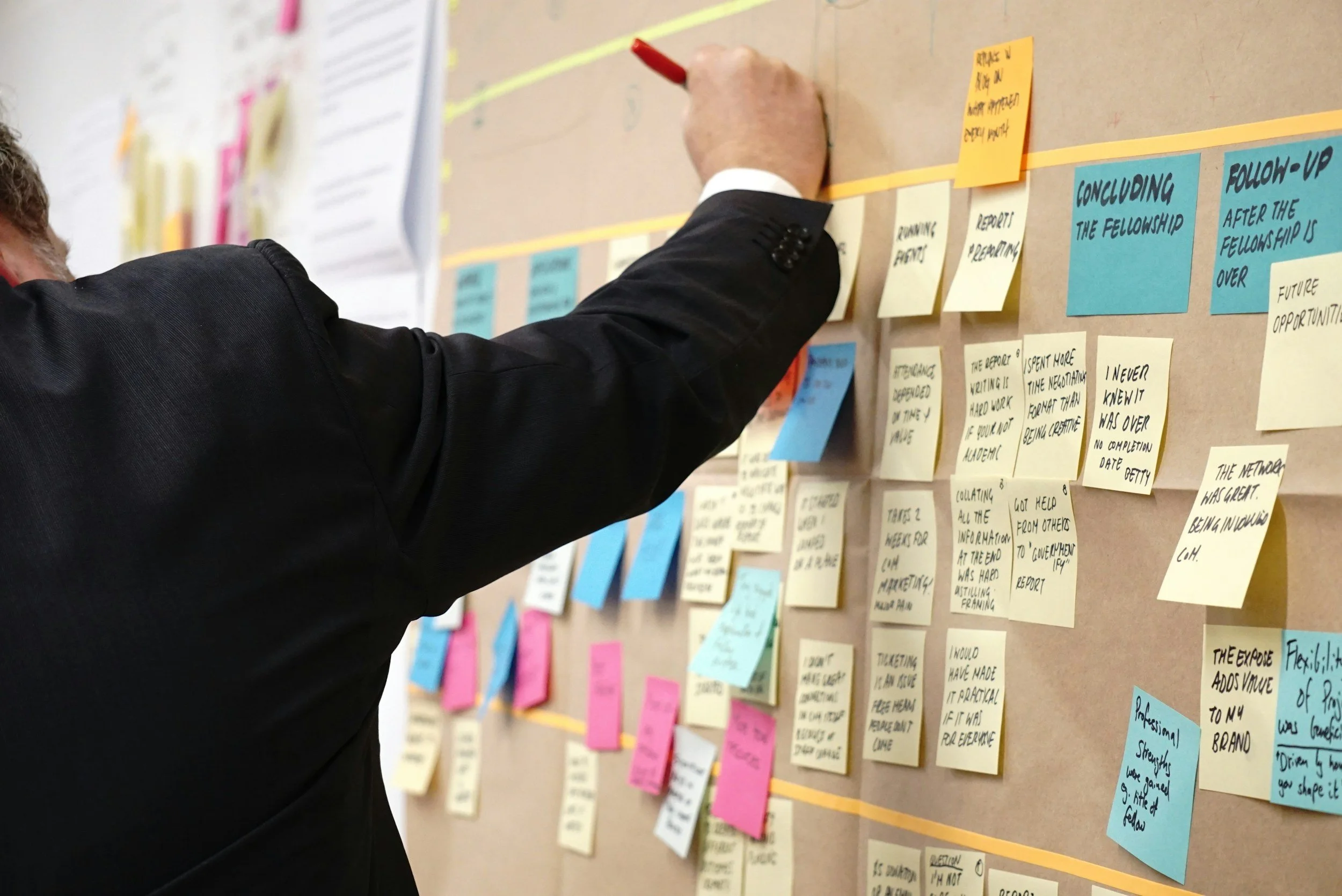
No session is a lecture, and that includes the ones delivered from a stage. People get called on. People come to the front. People are asked questions they cannot answer by nodding. If someone puts their head down, that is the person I am talking to next.
And no one leaves empty-handed. Every workshop and every bootcamp ends with something the participant made: a map, a written claim, a decision they had to defend, a draft. Not notes. An artifact.

Keynotes
Forty-five to sixty minutes. Auditorium scale, though never passive.
-
We can picture a colony on the moon. Serious people fund it, engineer it, argue about its governance. Now picture a world without hunger. Something shifts. The second one gets called idealistic, and the people who say so do not think of themselves as cynics. They think of themselves as realistic.
What have you internalized about the world? What have you internalized about yourself?
-
Flexible, expert advice when you need it. Book hourly support across a range of topics—from planning to problem-solving. This focused consultation will help clarify your goals, map out next steps, and identify opportunities for growth.
-
He died in Memphis. Do you know what he was doing there?
KRS-One said it before most of this audience was born: know thyself. Say Martin Luther King Jr. to a room and you get the dream and the letter from Birmingham. Ask that same room when he died and what he was doing there, and the room goes quiet. He was in Memphis, in April of 1968, standing with sanitation workers over wages, safety, and the right to organize. That is not a footnote to the story. That is where the story was going.
A philosopher is not someone with a degree. A philosopher is someone who declines to stop at the version they were handed. This session is about that refusal, and about what it asks of you: what are you accepting because it was given to you already finished? What question is nobody around you asking?
-
Kids are not sponges. A sponge is passive. Walk into a kindergarten and what you see is not absorption, it is hunger. Somewhere between that room and this one, most people trade the hunger for authenticity for something others call maturity. This keynote is about getting it back, and about what happens to a career, a season, or a semester when you do not.
Workshops
Ninety minutes minimum. Anything shorter is a talk, and a talk is a different promise.
-
You did not choose most of what shapes you. The feed chose. The notification chose. The room you happened to be standing in chose. This session asks a question with an uncomfortable answer: if someone examined the inputs running through your life for one ordinary week, what would they conclude you were becoming? Participants leave having mapped their own attention, not as a diagnostic but as a reckoning.
-
Harry Frankfurt drew the distinction that organizes this session. The liar knows the truth and works around it. The bullshitter is indifferent to whether there is a truth at all. That indifference is now available at industrial scale, delivered in prose more fluent than most of us can write. This session is about the habits that survive it: verification, lateral reading, the discipline of separating confidence from correctness. Participants leave with a verification practice they have actually run, not one they have heard described.
-
Most AI ethics training is a slide deck. Participants reason about dilemmas from a comfortable distance, agree with the right answers, and go back to their desks unchanged. Reasoning under no pressure is a different cognitive activity than deciding under real pressure. This session practices the second. Participants face the decision live, with someone pushing back, and have to make a call. They leave with evidence of how they actually behaved.
Who These Are Built For
-
![Chalkboard that says "back to school"]()
Season and school-year kickoffs.
Convocation, orientation, the first team meeting of the year. The moment when a group is about to decide, mostly unconsciously, what kind of year this is going to be.
-
![Track with numbers]()
Athletes, high school and college.
Athletes get told constantly who they are as competitors and almost never asked who they are becoming. The career ends. Everyone knows this and no one says it early enough to matter.
-
![Open book]()
Honors and scholars programs.
High-achieving students are the most likely to have optimized for someone else's definition of success and the least likely to have noticed. That is worth naming in a room full of them.
-
![Paper with writing on it]()
College prep and access programs.
It all begins with an idea. Maybe you want to launch a business. Maybe you want to turn a hobby into something more. Or maybe you have a creative project to share with the world. Whatever it is, the way you tell your story online can make all the difference.
-
![Lecture hall with presentation screen]()
Classroom visits.
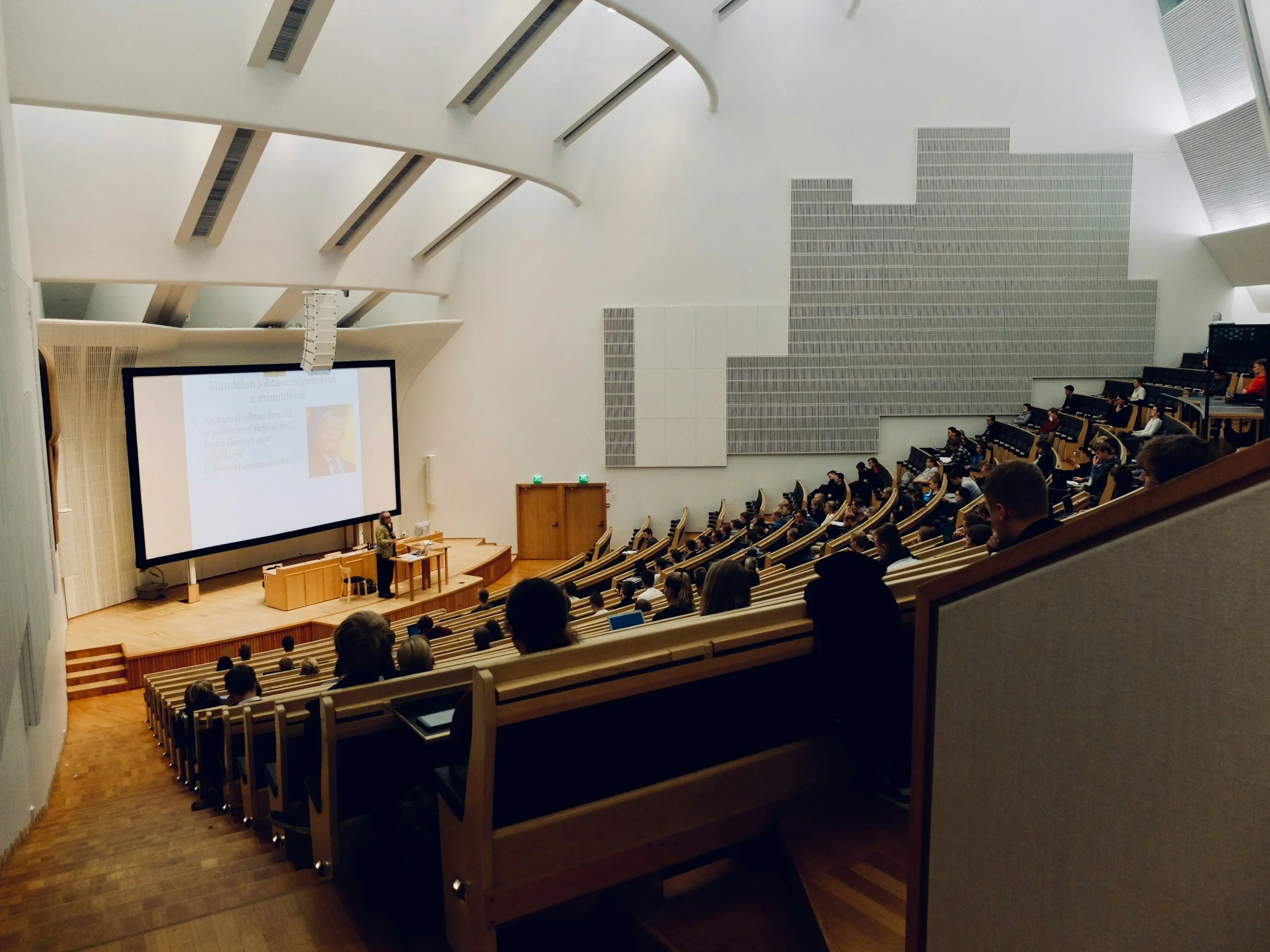
A single class period, one course, one faculty member's students. I am glad to do these. The philosophy seminar, the first-year writing course, the business ethics section where the professor wants someone from outside the syllabus to make the argument. Thirty students in a room is not a smaller version of three hundred in an auditorium. It is a better one.
-
![Professor writing on chalkboard]()
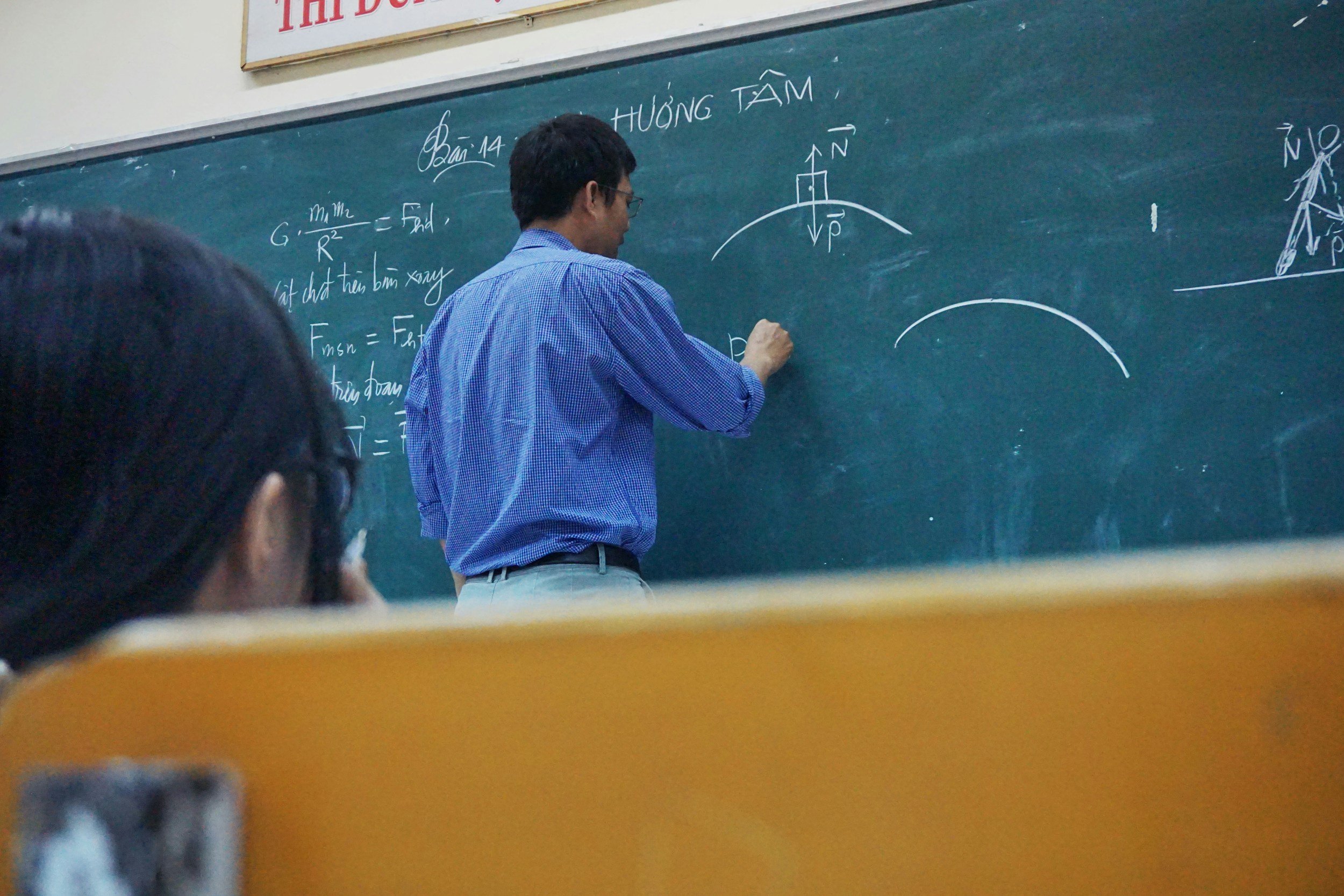
Faculty and staff development.
Same rigor, different room.




What We Do Not Do
We do not do compliance training. We do not do tool tutorials, prompt tricks, or a tour of what the newest model can generate. Those exist in abundance and this is not that.
We also do not leave a room with everyone agreeing. If the goal is alignment, this is the wrong engagement.
In the Room
The videos below are not workshop recordings. They are ordinary rooms I happened to be standing in: a campus welcome, a student conversation on hospitality and abundance.
I am including them because the thing an institution most needs to know before booking is not what the curriculum covers. It is what happens to a room when I am in it.
Watch what I do with the person who looks down.
Booking
One conversation, thirty minutes, to understand your students and what you are actually trying to fix. A proposal follows within ten business days.